

Updated February 2026
A broken tooth on a denture can be upsetting—especially when it affects your ability to eat comfortably, speak clearly, or smile with confidence. For many denture wearers, this kind of damage feels urgent and disruptive.
As a prosthodontics practice focused on denture care, our goal is to help you understand why denture teeth break, what to do immediately, and when professional repair or replacement is recommended, all while prioritizing your comfort and long-term oral health.
Understanding Dentures and Denture Teeth
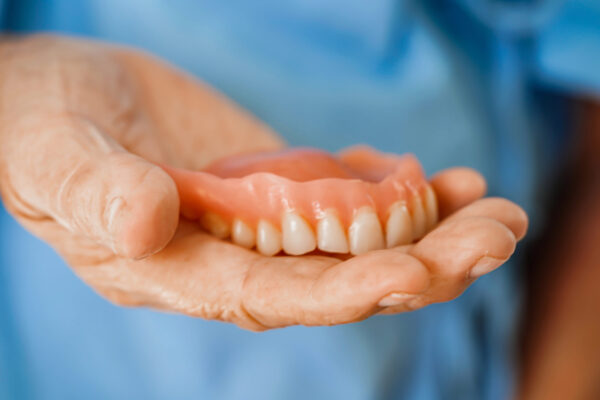
Dentures are removable prosthetic devices designed to replace missing teeth and restore function and appearance. They may be:
- Complete dentures, which replace all teeth in an upper or lower arch
- Partial dentures, which replace some teeth while attaching to remaining natural teeth
Denture teeth are typically made from acrylic resin or porcelain—materials chosen for their appearance and durability, but which can still wear or fracture over time.
Common Causes of a Broken Denture Tooth
A denture tooth can break for several reasons, including:
- Normal wear over time, especially in long-term denture use
- Accidental damage, such as dropping the denture
- Improper fit, leading to uneven chewing forces
- Chewing hard or sticky foods, which place excess stress on the prosthesis
- Changes in gum or bone support, altering how pressure is distributed
Often, breakage is a sign that the denture no longer fits as well as it once did.
What to Do Immediately if a Denture Tooth Breaks
If you notice a broken or missing tooth on your denture, taking the right first steps can help prevent further damage.
Immediate Steps:
- Remove the denture if it has sharp edges or causes irritation
- Do not continue chewing with a damaged prosthesis
- Store the denture safely in a container with water
- Avoid attempting permanent repairs at home
Bringing the denture in promptly allows us to assess whether repair, adjustment, or replacement is the best option.
Temporary Fixes: What Helps—and What to Avoid
Temporary solutions may provide short-term relief, but they are not substitutes for professional care.
Over-the-Counter Denture Repair Kits
These kits may include temporary adhesives that can hold a broken tooth in place briefly. If used:
- Clean and dry the denture thoroughly
- Follow instructions carefully
- Avoid hard or sticky foods
⚠️ These repairs are temporary and may alter fit if overused.
Temporary Dental Cement
In limited situations, temporary dental cement can help stabilize a broken area until an appointment. This should only be used as a short-term measure.
What Not to Do
- Do not use super glue or household adhesives
- Do not file or reshape the denture yourself
- Do not ignore discomfort or looseness
These actions can make professional repair more difficult.
Professional Solutions for a Broken Denture Tooth
A prosthodontist can determine the most appropriate long-term solution based on the condition of the denture and oral tissues.
Denture Repair
If the denture is otherwise in good condition, the broken tooth may be repaired or replaced. This typically involves:
- Evaluating the denture and fit
- Replacing or reattaching the tooth
- Adjusting the prosthesis for comfort and stability
Many repairs can be completed efficiently once the cause is identified.
Learn more about options for repairing dentures: Repairing Broken Dentures: What Can Be Fixed — and What Can’t
Denture Reline or Adjustment
If the tooth broke due to poor fit, a reline or adjustment may be recommended to improve stability and reduce future stress on the denture.
Relines help:
- Improve contact with the gums
- Distribute chewing forces more evenly
- Reduce the risk of repeated breakage
Replacement Dentures
In some cases, repeated fractures or significant wear indicate that replacement may be the best option. A new denture allows for:
- Updated fit
- Improved comfort
- Modern materials and design
This is especially important if oral anatomy has changed over time.
Also Read: Denture Replacement: What Nursing Home Residents and Caregivers Can Expect
For Caregivers and Family Members
If you are caring for someone in assisted living or a nursing facility, a broken denture tooth can significantly impact nutrition and comfort. If damage is noticed:
- Remove the denture if it causes irritation
- Store it safely
- Arrange evaluation as soon as possible
Denture care may be provided in the office or, when appropriate, on-site for patients with mobility or medical limitations.
Preventing Future Denture Tooth Breakage
While not all breakages are avoidable, these steps can help reduce risk:
- Handle dentures over a soft surface or sink with water
- Clean daily with non-abrasive products
- Avoid chewing very hard or sticky foods
- Have dentures evaluated periodically, even if they feel comfortable
Fit changes over time are common and should be addressed early.
A broken denture tooth can be frustrating, but it is often very manageable with proper evaluation and care. Temporary fixes may help briefly, but professional assessment ensures comfort, function, and long-term success.
If you notice damage to your denture—or if it no longer fits as it once did—an evaluation can help determine whether repair, adjustment, or replacement is appropriate.
Learn About Denture Repairs and Adjustments
Explore Replacement Denture Options
Caregivers & Facilities: Start Here
About the Author