

Updated January 2026
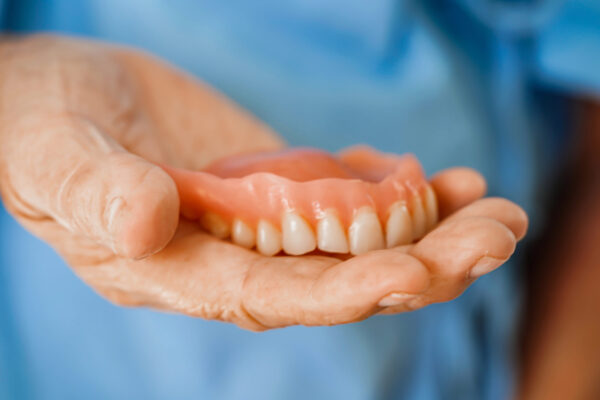
When it comes to restoring smiles and improving oral function, prosthodontics offers a range of solutions tailored to meet individual needs. One such solution is removable prostheses—a versatile and widely used option for patients with missing teeth.
But what exactly are removable prostheses, and when are they the right choice? Understanding your options is an important part of making informed decisions about your oral health. Below, we’ll walk through what removable prostheses are, the types available, and the benefits and considerations that may help determine whether this option is right for you.
What Is a Removable Dental Prosthesis?
In dentistry, prostheses are artificial devices used to replace missing teeth and, in some cases, supporting oral tissues. Their purpose is to restore function, comfort, and appearance.
Prostheses generally fall into two categories:
- Fixed prostheses, such as crowns, bridges, and implant-supported restorations, which are permanently attached
- Removable prostheses, which can be taken out and reinserted by the patient
Removable prostheses are commonly used when multiple teeth are missing, when oral anatomy has changed over time, or when flexibility and ease of care are important considerations.
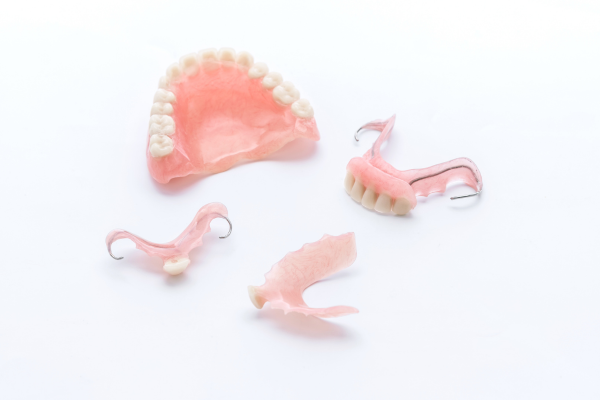
Types of Removable Dental Prostheses
Removable prostheses are not one-size-fits-all. Several types exist, each designed to meet different clinical and lifestyle needs.
Complete Dentures
Definition:
Complete dentures replace all teeth in the upper jaw, lower jaw, or both.
Benefits:
They are a practical and cost-effective solution for patients who have lost all of their teeth. Modern complete dentures are carefully designed to improve comfort, function, and appearance while supporting facial structure.
Partial Dentures
Definition:
Partial dentures replace one or more missing teeth when natural teeth remain. They are supported by the remaining teeth and a custom-designed framework.
Benefits:
Partial dentures help maintain proper spacing, prevent shifting of natural teeth, and restore chewing efficiency while remaining removable for easy cleaning.
Immediate Dentures
Definition:
Immediate dentures are placed at the time natural teeth are removed.
Benefits:
They allow patients to avoid a period without teeth during healing. As the gums change, these dentures are typically adjusted or relined to improve fit and comfort.
Overdentures
Definition:
Overdentures are designed to fit over retained natural teeth or dental implants.
Benefits:
They often provide improved stability and retention compared to traditional dentures and can help preserve underlying bone and oral structures.
Who May Benefit Most From Removable Prostheses
Removable prostheses may be an excellent option for patients who:
- Have multiple missing teeth
- Are experiencing changes in bone or gum support
- Prefer a non-surgical approach
- Need a more adaptable solution as oral conditions change over time
- Require a prosthesis that can be adjusted, relined, or replaced as needed
They are commonly recommended for older adults, patients with medical considerations, and individuals seeking a reliable and practical solution for tooth replacement.
The Benefits of Removable Prostheses
Choosing removable prostheses can offer numerous advantages that enhance your quality of life. Here are some key benefits:
- Enhanced Oral Function: Removable prostheses restore the ability to chew and speak properly, allowing you to enjoy a varied diet and communicate with confidence.
- Improved Aesthetics: They are designed to look natural and blend seamlessly with your existing teeth and gums, giving you a beautiful, restored smile.
- Cost-Effective Solution: Removable prostheses are generally more affordable than fixed options, making them accessible to a wider range of patients.
- Ease of Maintenance: Since they can be removed, cleaning and maintaining removable prostheses is straightforward, contributing to better oral hygiene.
- Customizable and Comfortable: Advances in dental technology have made removable prostheses more comfortable and tailored to individual needs, ensuring a better fit and greater comfort.
- Non-Invasive Option: Unlike implants, removable prostheses do not require surgery, making them a less invasive option for many patients.
Important Considerations Before Choosing a Removable Prosthesis
While removable prostheses offer many benefits, they are not ideal for every situation. Factors that may influence success include:
- Oral anatomy and bone support
- Dexterity and ability to manage daily care
- Expectations regarding stability and retention
- Medical conditions that affect healing or oral tissues
An evaluation with a prosthodontist helps determine whether a removable prosthesis—or an alternative option—is best suited to your needs.
Looking for Denture Replacement, Adjustments, or Repairs? Learn more about our Specialized Denture Treatments.
Why Evaluation and Follow-Up Matter
The success of a removable prosthesis depends not only on how it is made, but also on how it is monitored over time. Regular evaluations allow for:
- Fit adjustments as gums and bone change
- Relief of sore spots or pressure areas
- Relines to improve comfort and stability
- Early identification of wear or damage
Ongoing care helps extend the lifespan of the prosthesis and supports long-term comfort.
Frequently Asked Questions (FAQs)
1. How do I know if removable prostheses are right for me?
If you have missing teeth and are looking for a cost-effective, non-invasive solution, removable prostheses might be a good fit. A consultation with a prosthodontist will help determine the best option for your specific needs.
2. How long does it take to get used to removable prostheses?
It varies from person to person, but most patients adjust to removable prostheses within a few weeks. Initially, you may experience some discomfort or difficulty speaking and eating, but these issues typically improve with time and practice.
3. How should I care for my removable prostheses?
Clean your removable prostheses daily using a soft-bristle toothbrush and mild denture cleaner. Soak them in a denture-cleaning solution overnight to keep them fresh and free from bacteria. Avoid using hot water, as it can warp the prostheses.
4. Can I sleep with my removable prostheses in place?
It’s recommended to remove your prostheses at night to give your gums a rest and to reduce the risk of infection or irritation. Soaking them overnight also helps maintain their cleanliness.
5. What should I do if my removable prostheses become uncomfortable or loose?
Visit your prosthodontist for adjustments if you experience discomfort or if your prostheses feel loose. Regular check-ups are essential to ensure a proper fit and to make any necessary adjustments.
6. How long do removable prostheses last?
With proper care, removable prostheses can last several years. However, they may need to be relined, rebased, or replaced over time due to normal wear and changes in your mouth.
7. How often should removable prostheses be checked?
Even if they feel comfortable, dentures should be evaluated periodically to ensure proper fit and function, especially as oral tissues change over time.
Removable prostheses offer a practical and effective way to restore function, comfort, and confidence for many patients. When thoughtfully designed and properly maintained, they can adapt to changes in your oral health and support long-term quality of life.
As a board-certified prosthodontist, Dr. Ashley Harris Hudson focuses on personalized denture care—whether treatment is provided in the office or, when needed, on site for patients with mobility or medical challenges.
If you’re unsure whether a removable prosthesis is the right option for you, an evaluation can help clarify next steps and expectations.