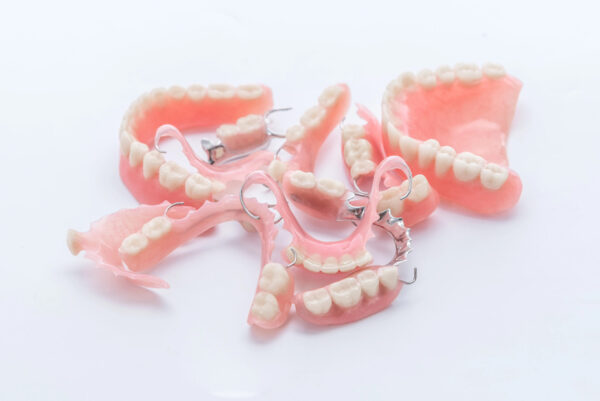

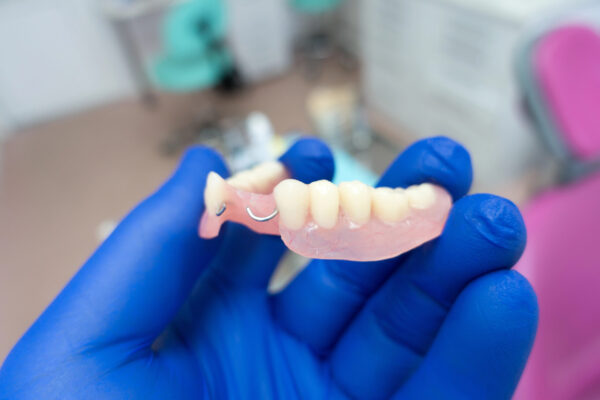
Dentures are often thought of as “one-and-done” appliances—made once and expected to function indefinitely. In reality, dentures require ongoing evaluation, particularly for elderly patients living in nursing homes or assisted living facilities.
Regular denture checks help ensure comfort, function, and oral health. Without them, small changes can quietly lead to pain, difficulty eating, or declines in overall well-being.
Why Dentures Need Regular Evaluation
Even when dentures appear intact, the mouth beneath them continues to change. Over time, nursing home residents may experience:
- Gradual jawbone resorption
- Thinning or fragile oral tissues
- Weight loss or medical changes
- Reduced saliva due to medications
These changes can affect how dentures fit and function—even if the dentures themselves are not visibly damaged.
How This Relates to Removable Dentures
Dentures used in nursing homes and assisted living settings are typically removable dentures, which are designed to adapt over time through adjustments, relines, or replacement as oral conditions change. Understanding how removable dentures are evaluated and maintained helps caregivers recognize when changes in fit or comfort may require attention.
To learn more about the denture process and follow-up care, read: Removable Dentures: What to Expect
How Often Should Dentures Be Checked?
For most nursing home residents, dentures should be professionally evaluated:
At Least Once Per Year
Annual evaluations allow providers to assess:
- Denture fit and stability
- Oral tissue health
- Signs of wear or pressure points
- Changes affecting chewing or speech
Sooner If Concerns Arise
An earlier evaluation is recommended if a resident:
- Complains of soreness or pain
- Avoids eating certain foods
- Experiences looseness or slipping
- Has visible redness or irritation
- Has recently lost weight or been hospitalized
If dentures are missing entirely, check out: What to Do When a Nursing Home Resident Loses Their Dentures
Why Denture Issues Are Often Missed in Nursing Homes
Many elderly patients do not report denture discomfort clearly. Some assume discomfort is normal, while others may have cognitive or communication challenges. As a result, denture problems may show up indirectly as:
- Reduced appetite
- Longer meal times
- Behavioral changes
- Withdrawal from social dining
Routine denture checks help identify concerns before they escalate.
The Role of Mobile Denture Evaluations
Mobile denture services allow evaluations to be completed on site, without transporting residents to a dental office. This approach is especially valuable for residents who are medically complex, homebound, or living with dementia.
On-site evaluations support:
- Early identification of fit issues
- Reduced stress for residents
- Clear communication with caregivers and family
Learn more about mobile denture evaluations for nursing home residents
What Happens During a Denture Check?
A denture evaluation may include:
- Assessment of denture fit and stability
- Examination of oral tissues for irritation
- Review of eating comfort and function
- Discussion of whether adjustments, relines, or replacement may be helpful
In many cases, minor concerns can be addressed before they become larger problems.
For an overview of how evaluations are coordinated: How Mobile Denture Services Work in Nursing Homes
When Should a Referral Be Made?
A referral for denture evaluation is appropriate when:
- A resident has not had dentures checked in over a year
- Caregivers notice changes in eating or comfort
- Dentures appear loose or unstable
- Oral tissues show signs of irritation
Referrals allow for evaluation and guidance—without committing the resident to treatment.
Supporting Comfort and Quality of Life
Regular denture checks are a simple but meaningful way to support nursing home residents. By addressing fit and comfort proactively, caregivers and facilities can help residents maintain nutrition, communication, and dignity.
How to Request a Denture Evaluation
Caregivers, nursing home staff, social workers, and family members may submit a secure denture referral online.

Caring for a nursing home resident with denture concerns?
Dentures change as patients change. Regular evaluation helps ensure that dentures continue to support—not hinder—a resident’s health and daily comfort.
About the Author