

Updated February 2026
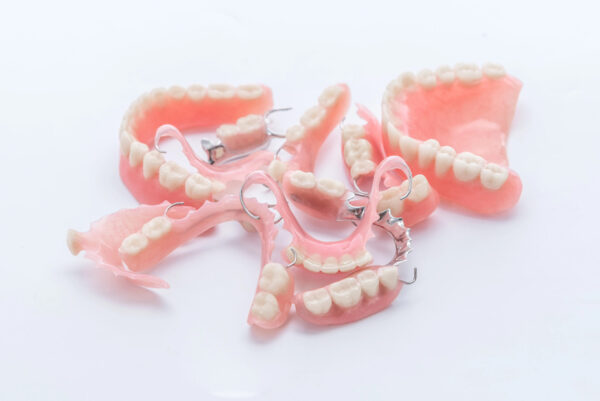
If you’re considering dentures—whether complete or partial—it’s natural to have questions about what the process involves. Dentures can restore both function and appearance, helping improve chewing, speech, and confidence.
As a board-certified prosthodontist, Dr. Ashley Harris Hudson takes a thoughtful, step-by-step approach to denture care. Each stage of treatment is designed to prioritize comfort, fit, and long-term success. Below is an overview of what patients and caregivers can expect throughout the denture process.
Understanding Complete and Partial Dentures
Before walking through the treatment steps, it helps to understand the two primary types of removable dentures.
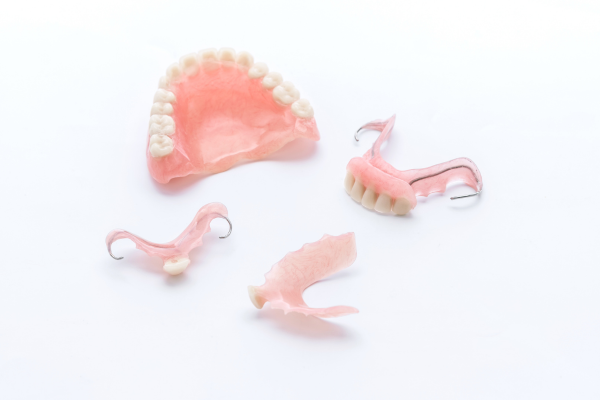
Complete Dentures
Complete dentures replace all teeth in the upper jaw, lower jaw, or both. They rest on the gums and are custom-designed to restore function, facial support, and appearance.
Partial Dentures
Partial dentures are used when some natural teeth remain. They replace missing teeth while attaching to existing teeth for support, helping maintain spacing and bite alignment.
Both options are carefully customized based on oral anatomy, functional needs, and long-term considerations.
The Denture Treatment Process: Step by Step
1. Comprehensive Evaluation and Consultation
The first appointment focuses on understanding your oral health and your goals for treatment. During this visit, we:
- Evaluate the teeth, gums, and supporting structures
- Review medical and dental history
- Take necessary imaging and digital scans
- Discuss prior denture experiences, preferences, and concerns
This evaluation allows us to determine which type of denture is appropriate and to plan treatment that aligns with your comfort, expectations, and overall health.
2. Records and Final Impressions
Once a treatment plan is established, detailed records are gathered to ensure proper fit and function.
- For complete dentures, impressions capture the shape and movement of the soft tissues that will support the denture
- For partial dentures, impressions also account for remaining teeth and how the prosthesis will engage them
These records are digitally captured and used by the dental laboratory to design a prosthesis tailored specifically to you.
3. Try-In Appointments
Try-in appointments allow us to verify fit, comfort, and appearance before the final prosthesis is completed.
Try-In for Complete Dentures
A trial denture is placed to evaluate:
- Bite and jaw relationship
- Tooth position and aesthetics
- Overall comfort and stability
If adjustments are needed, they are communicated to the lab before final fabrication. In some cases, an additional try-in appointment is recommended to ensure optimal results.
Looking for Denture Replacement, Adjustments, or Repairs? Learn more about our Specialized Denture Treatments.
Try-In for Partial Dentures
Partial dentures are typically evaluated in two stages:
- Framework try-in, to confirm proper fit and support
- Try-in with teeth, to refine appearance, function, and comfort
This step-by-step approach helps ensure the final prosthesis feels secure and natural.
4. Delivery of Your Denture
Once fabrication is complete, your denture is placed and evaluated. During this visit, we:
- Check fit and comfort
- Make initial adjustments as needed
- Review cleaning, storage, and daily care instructions
It’s normal to experience a short adjustment period as your mouth adapts. This improves with time and follow-up care.
5. Follow-Up Care and Adjustments
A follow-up visit is typically scheduled shortly after delivery to address any sore spots or pressure areas. Even small adjustments can significantly improve comfort and function.
Ongoing follow-up is an essential part of denture care, as oral tissues naturally change over time.
Also Read: How Often Should Dentures Be Checked for Nursing Home Residents?
Why Follow-Up Matters for Long-Term Comfort
Dentures are not static. Changes in bone and gum support can affect fit, even when dentures initially feel comfortable. Regular evaluations allow for:
- Denture adjustments
- Relines to improve fit
- Early identification of wear or damage
Routine follow-up helps extend the lifespan of the denture and supports long-term oral health.
Also Read: Denture Adjustments: What Nursing Home Residents and Caregivers Can Expect
Frequently Asked Questions
How long does it take to adjust to new dentures?
Most patients adjust within several weeks, though adaptation can take longer depending on the type of denture and prior experience.
Can I sleep with my dentures in?
In most cases, removing dentures at night is recommended to allow the gums to rest and to support healthy tissue.
Will dentures affect what I can eat?
Patients are encouraged to start with softer foods and gradually reintroduce firmer textures as comfort improves.
How should dentures be cleaned?
Daily cleaning with a soft brush and non-abrasive cleanser is recommended. Dentures should be stored properly when not in use.
How often should dentures be checked?
Dentures should be evaluated periodically, even if they feel comfortable, to ensure proper fit and function.
For Caregivers and Family Members
For patients in assisted living or long-term care settings, caregivers often play an important role in monitoring comfort, fit, and oral hygiene. Denture care may be provided in the office or, when appropriate, on-site to support patient comfort and accessibility.
Your Smile, Our Priority
Getting dentures is a process, and having the right guidance makes a meaningful difference. With careful planning, clear communication, and ongoing support, removable dentures can restore comfort, function, and confidence.
If you’re considering dentures—or if you’re helping a loved one navigate denture care—an evaluation can help clarify options and next steps.