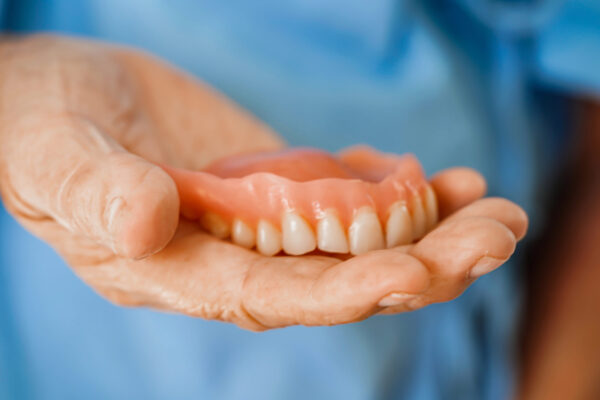

At Prestige Prosthodontics, we understand that deciding to pursue full mouth rehabilitation is a significant step towards reclaiming your dental health, comfort, and confidence. Full mouth rehabilitation, also known as full mouth reconstruction, involves a comprehensive approach to restore all your teeth in the upper and lower jaws. This is an intensive process, but it’s designed to restore function, improve aesthetics, and address underlying health issues affecting your oral well-being.
In this blog post, we’ll walk you through what to expect at every stage of a full mouth rehabilitation process. Our goal is to provide you with clarity and confidence as you begin this transformative journey.
Understanding Full Mouth Rehabilitation: What Is It?
Full mouth rehabilitation is a customized treatment plan involving a series of restorative dental procedures to address various dental issues like severe wear, decay, missing teeth, or misalignment. The rehabilitation can include treatments like crowns, bridges, veneers, implants, and occasionally orthodontics or other adjunctive procedures.
Each treatment plan is personalized, taking into account the health and function of your jaw joint, bite, gum health, and aesthetics. This process is typically ideal for individuals who are dealing with widespread dental issues, including:
- Severe tooth wear or erosion: often due to grinding, acid reflux, or certain dietary habits
- Broken, cracked, or decayed teeth: that impact bite and functionality
- Missing teeth: affecting both aesthetics and the overall function of the mouth
- Chronic jaw pain or TMD (temporomandibular disorder): which can be due to bite misalignment
Step 1: Initial Consultation – Comprehensive Assessment
Your journey begins with a thorough consultation. This appointment includes a series of evaluations to gather all necessary information about your current oral health, the structural condition of your teeth and jaws, and your personal goals. Here’s what to expect:
- X-rays and Digital Scans: These are essential for identifying any underlying issues, such as bone density, that might impact your treatment.
- Photos: We take high-quality photos to document your current smile and allow for precise before-and-after comparisons.
- 3-D Digital Scans: These scans capture the exact shape and position of each tooth and are useful for designing your treatment plan.
- Intraoral and Extraoral Exams: We’ll carefully examine the teeth, gums, jaw joint, and surrounding muscles.
This consultation is an open conversation. Our goal is to understand what you hope to achieve with treatment, address any discomfort you’re experiencing, and answer questions about your options and the rehabilitation process.
Step 2: Treatment Plan Presentation – Crafting a Conservative and Effective Plan
Following the consultation, we’ll invite you back to discuss a personalized treatment plan. The plan we develop will be tailored to meet your needs and align with your goals, prioritizing a conservative approach wherever possible. For example, if your primary concerns are related to jaw discomfort or bite misalignment, we may recommend management using an occlusal (bite) device.
For those with more extensive wear or tooth damage, the treatment may include restorative procedures like:
- Crowns or Bridges: to rebuild the shape and function of individual teeth
- Onlays: for partial coverage when crowns aren’t needed
- Other fixed or removable restorations: tailored to preserve as much natural tooth structure as possible
During this meeting, we’ll discuss each step of your treatment plan and make sure you feel fully informed about what to expect.
Step 3: Occlusal Device Therapy – Ensuring Joint Health and Stability
Before beginning extensive restorative work, it’s essential to ensure your jaw and bite are stable and healthy. To do this, we may recommend an occlusal device (also called a bite splint) to balance and realign your bite. This step is particularly helpful for patients with TMD or jaw pain, as it can help prevent further damage to the joint and surrounding tissues.
This phase allows us to evaluate your bite and determine if it’s necessary to open it to create more space for restorations. The occlusal device helps us find a comfortable and stable bite position that won’t compromise joint health.
Step 4: Smile Evaluation – Shaping the Perfect Smile
Once we establish a stable bite, we move on to designing your new smile. During the smile evaluation, we’ll do a “try-in” of the proposed tooth shapes to get a sense of how your new smile will look. This allows us to assess aesthetics and make any adjustments needed to achieve optimal harmony between function and appearance.
We’ll consider factors like tooth color, shape, and alignment to make sure your smile complements your facial features. Your feedback during this stage is invaluable, as it helps us achieve a result that aligns with your vision.
Step 5: Adjunctive Therapy – Preparing for Final Restorations
In some cases, additional treatments may be necessary to create a solid foundation for long-lasting restorations. This may include:
- Crown Lengthening: adjusting the gum line for adequate tooth structure
- Gingival Shaping: to ensure an even gum line and improve aesthetics
- Periodontal Therapy: if gum disease or inflammation is present
These treatments allow us to ensure that your mouth is healthy and that your gums and underlying structures are ready to support the restorations.
Step 6: Restoration – Crafting and Placing Your New Teeth
Once all preparatory steps are complete, we move forward with the actual restoration. This is where you’ll see your new smile come to life. Using a step-wise approach, we carefully prepare each tooth and place your final crowns, bridges, or other restorations.
Each restoration is crafted to blend seamlessly with your natural teeth and align with the bite and smile design we established. We ensure that everything feels comfortable and functions well, allowing you to enjoy a restored, beautiful smile.
Step 7: Night Guard – Protecting Your Investment
To help safeguard your restorations for years to come, we provide a custom night guard. This appliance is designed to protect your teeth from grinding or clenching, which can be especially helpful if you have a history of these habits. A night guard extends the life of your restorations and protects your smile as you sleep.
Frequently Asked Questions (FAQs)
How will I know if I need additional therapies like crown lengthening?
During your evaluation, we’ll assess if adjunctive treatments are needed to optimize the final result. If necessary, we’ll discuss each option and explain why it’s important.
Is full mouth rehabilitation painful?
Throughout the process, we prioritize patient comfort. Sedation options are available for those who experience dental anxiety, and we ensure you’re as comfortable as possible during every appointment.
What is the lifespan of full mouth rehabilitation?
With proper care, full mouth rehabilitation can last many years. Regular dental visits and home care are essential to maintaining your restorations and protecting your investment.
How long does the full mouth rehabilitation process take?
The timeline varies depending on each patient’s needs, but it can typically range from several months to a year or more, depending on the complexity of the case and healing times.
Ready to Start Your Journey?
Full mouth rehabilitation is a transformative process, both for your oral health and for your confidence. At Prestige Prosthodontics, we’re here to guide you through each step with compassion, expertise, and a commitment to your comfort and well-being. If you’re ready to explore the benefits of full mouth rehabilitation, reach out to us today to schedule a consultation. Your journey toward a healthier, more beautiful smile begins here.