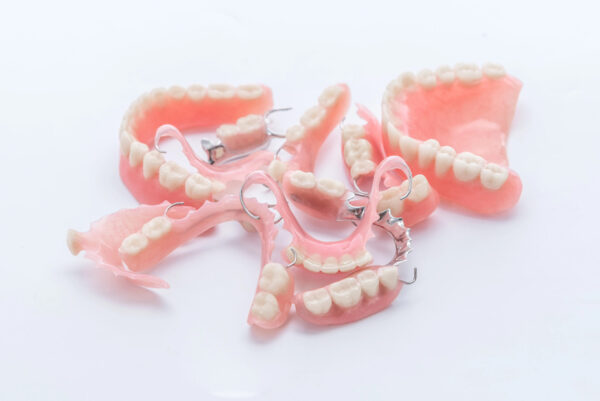

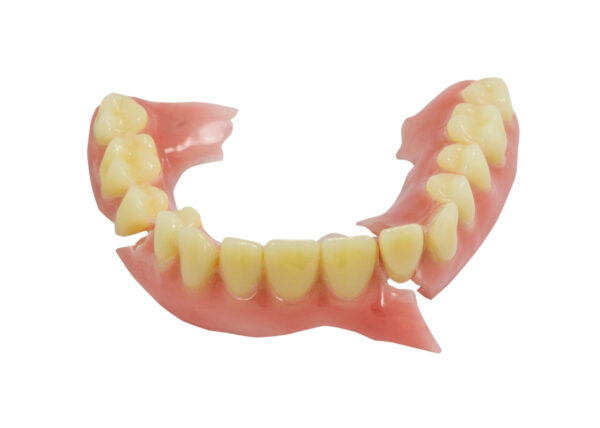
Dentures are designed to restore comfort and function, but like any dental appliance, they can break, crack, or wear over time. When this happens, patients and caregivers often ask the same question:
Can this denture be repaired, or does it need to be replaced?
The answer depends on the type of damage, the condition of the denture, and how well it fits the mouth today. Below is a clear guide to what can often be repaired, what typically cannot, and when professional evaluation is important.
Common Types of Denture Damage
Dentures may be damaged in a variety of ways, including:
- Broken or missing teeth
- Cracks or fractures in the denture base
- Dentures that feel loose or unstable
- Warping from heat or improper storage
- Wear related to long-term use
Not all damage requires replacement, but all damage should be evaluated.
What Can Often Be Repaired
When faced with a broke denture the first thing you want to determine is if the fracture or break can be repaired. Here are a few examples of situations which can likely be repaired.
Broken or Missing Denture Teeth
In many cases, individual denture teeth can be replaced or reattached if the rest of the denture is in good condition. This is especially true when:
- The denture base is intact
- The denture still fits reasonably well
- The break occurred from trauma rather than long-term wear
Also Read: How to Fix a Broken Tooth on a Denture
Small Cracks or Chips
Minor cracks in the acrylic base may be repairable if addressed early. Prompt evaluation helps prevent cracks from spreading or compromising the denture’s strength.
Minor Damage from Accidents
Dentures that are dropped or damaged outside the mouth may be repairable if the internal structure remains stable and the fit has not changed significantly.
What Often Cannot Be Repaired
Poor Fit Due to Bone or Gum Changes
If a denture is loose because the mouth has changed over time, repairing a broken area alone will not solve the problem. In these cases, a reline or replacement may be necessary to restore comfort and function.
Learn more: Denture Relines: What to Expect
Repeated Breakage
Dentures that have fractured multiple times often indicate:
- Material fatigue
- Poor force distribution
- Significant changes in oral anatomy
Repeated repairs may no longer be predictable or comfortable.
Warped or Severely Worn Dentures
Dentures exposed to heat or improper cleaning can warp, affecting fit and bite. Severe wear may also prevent proper repair.
Dentures at the End of Their Lifespan
Even well-maintained dentures have a lifespan. When materials and fit are no longer reliable, replacement may provide better comfort and function than continued repairs.
Also Read: Denture Replacement: What to Expect
Why Professional Evaluation Matters
Attempting home repairs or relying on repeated temporary fixes can:
- Alter the bite
- Cause sore spots or tissue injury
- Make future repairs more difficult
A prosthodontic evaluation allows us to determine:
- Whether repair is appropriate
- Whether fit issues contributed to the damage
- What solution will best support long-term comfort
NEW SECTION: For Caregivers and Nursing Home Staff
For residents in assisted living or nursing facilities, broken dentures can significantly affect nutrition and communication. Damage is not always reported clearly, especially in patients with cognitive impairment.
Caregivers should seek evaluation if:
- A denture appears damaged or incomplete
- A resident avoids eating or removes their denture
- Dentures are missing or unstable
Evaluations can often be coordinated in the office or on site when appropriate.
Caregiver support: Caregivers & Facilities – Start Here
What Happens During a Denture Repair Evaluation?
An evaluation may include:
- Visual inspection of the denture
- Assessment of fit and stability
- Examination of oral tissues
- Discussion of repair vs reline vs replacement options
In some cases, repair is straightforward. In others, addressing fit issues first prevents future damage.
When to Seek Care Right Away
Prompt evaluation is recommended if:
- Sharp edges cause discomfort
- Denture pieces are missing
- The denture no longer seats properly
- Pain or irritation develops
Delaying care may allow damage to worsen.
Conclusion
Not all broken dentures require replacement—but not all can be reliably repaired. The key is understanding why the damage occurred and whether the denture still fits the mouth as intended.
If you or someone you care for has a damaged denture, an evaluation can help determine the most appropriate next step—whether that’s repair, adjustment, reline, or replacement.
Learn About Denture Repairs and Adjustments
Explore Replacement Denture Options
Caregivers & Facilities: Request an Evaluation
About the Author