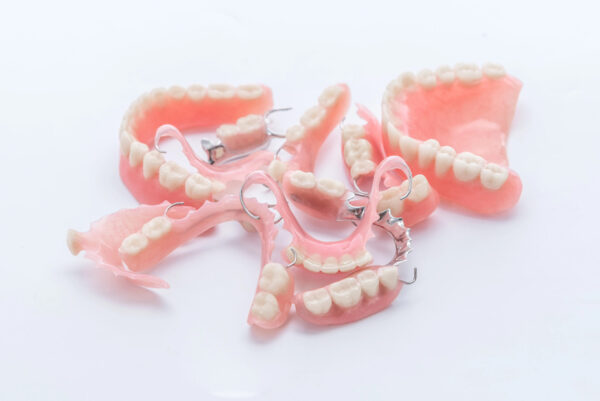

In nursing home settings, dentures are sometimes viewed as optional—particularly for residents who are aging, medically complex, or living with cognitive impairment. Families and caregivers may wonder whether replacing or maintaining dentures is truly necessary, especially if a resident appears to be “getting by” without them.
In reality, the difference between having functional dentures and having no dentures at all can significantly affect a resident’s nutrition, communication, comfort, and overall quality of life.
Dentures Are Functional Medical Devices, Not Cosmetic Appliances
For seniors who have lost natural teeth, dentures serve as essential tools for daily living. They support:
- Chewing and swallowing
- Speech and communication
- Facial support and comfort
- Social interaction and confidence
When dentures are missing or no longer functional, the effects often extend far beyond the mouth.
Nutrition: One of the Most Immediate Differences
With Dentures
Residents with properly fitting dentures are generally able to:
- Chew a wider variety of foods
- Maintain adequate protein and calorie intake
- Eat more comfortably and efficiently
Without Dentures
Residents without dentures often adapt by:
- Avoiding meats, fruits, and vegetables
- Choosing soft or pureed foods with lower nutritional value
- Eating less overall due to frustration or fatigue
Over time, this can contribute to weight loss, weakness, and reduced resilience to illness.
Speech and Communication
Dentures play an important role in speech by supporting the lips, cheeks, and tongue.
With Dentures
- Speech is clearer and more predictable
- Residents may feel more confident engaging in conversation
Without Dentures
- Certain sounds become difficult to form
- Speech may be slurred or unclear
- Residents may speak less to avoid frustration or embarrassment
For individuals already facing cognitive or neurological challenges, these changes can further limit meaningful communication.
Comfort and Oral Health
Without dentures, the oral tissues are still subjected to pressure during eating and swallowing—often unevenly.
Residents without dentures may experience:
- Gum soreness or irritation
- Difficulty managing food in the mouth
- Increased oral sensitivity
Ill-fitting or outdated dentures can cause similar problems, which is why evaluation is just as important as replacement.
Learn more about denture-related discomfort: Why Ill-Fitting Dentures Are a Serious Health Risk for Seniors
Emotional and Social Well-Being
Eating and smiling are social experiences. When residents are uncomfortable, self-conscious, or frustrated, they may begin to withdraw from:
- Group meals
- Conversations
- Social activities
These changes are often subtle but meaningful. A resident who once participated may gradually disengage—not because they want to, but because oral discomfort makes interaction difficult.
Why These Changes Are Sometimes Overlooked
In nursing home environments, residents may still appear to be “doing okay” on the surface. They may eat something, speak occasionally, or smile politely. However, gradual adaptations can mask underlying challenges.
Without regular denture evaluation, caregivers may not realize how much oral health is affecting daily life.
When Denture Evaluation Is Worth Considering
A denture evaluation may be helpful when a resident:
- Has no dentures or no longer wears them
- Appears to struggle during meals
- Has experienced recent weight loss
- Speaks less than before
- Has not had dentures checked in over a year
Learn more about routine evaluations: How Often Should Dentures Be Checked for Nursing Home Residents?
The Role of Mobile Denture Care
Mobile denture services allow residents to be evaluated where they live, without transportation or disruption. This makes it easier to assess whether dentures would improve comfort and function—and to coordinate care with families and facility staff.
Learn more about mobile denture evaluations for nursing home residents
Supporting Quality of Life Through Thoughtful Denture Care
Dentures are not about appearance—they are about supporting daily comfort, nutrition, and human connection. For many nursing home residents, having functional dentures can make everyday experiences more manageable and meaningful.
How to Request a Denture Evaluation
Caregivers, nursing home staff, social workers, and family members may submit a secure referral for denture evaluation.
Refer a Nursing Home Resident for Denture Care
On-site evaluations available – no transport required.
The difference between dentures and no dentures is often the difference between coping and thriving. Thoughtful evaluation allows families and caregivers to make informed decisions that prioritize comfort, dignity, and quality of life.
About the Author