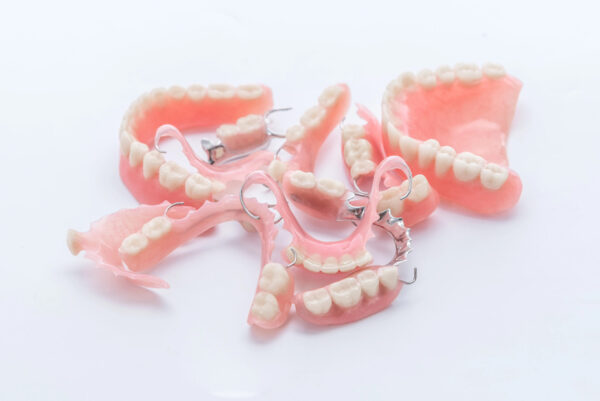

Ill-fitting dentures are often dismissed as a normal part of aging. Many seniors—and even caregivers—assume that discomfort, looseness, or difficulty chewing is simply something to tolerate. In reality, poorly fitting dentures can have far-reaching consequences, particularly for elderly patients living in nursing homes or assisted living facilities.
Dentures are not just dental appliances. For seniors, they are essential tools for nutrition, communication, comfort, and dignity.
How Denture Fit Changes Over Time
Even well-made dentures do not fit the same forever. As we age, the mouth continues to change:
- Jawbone gradually resorbs after tooth loss
- Soft tissues become thinner and more fragile
- Weight loss or medical illness alters facial support
- Medications may reduce saliva, increasing friction and soreness
These changes can cause dentures to loosen, shift, or place pressure on sensitive areas—often without the patient realizing why discomfort has developed.
The Hidden Health Consequences of Poorly Fitting Dentures
When dentures no longer fit properly, seniors may experience:
Difficulty Eating and Swallowing
Loose dentures reduce chewing efficiency, causing residents to avoid foods that are harder to chew—often proteins, fruits, and vegetables. Over time, this can contribute to malnutrition and unintended weight loss.
Chronic Oral Soreness
Constant movement or pressure can lead to sore spots, inflammation, and tissue breakdown. In elderly patients with fragile tissues, even small areas of irritation can become painful quickly.
Increased Risk of Infection
Chronic irritation can compromise the health of oral tissues, increasing the risk of fungal or bacterial infections—especially in patients with weakened immune systems.
Changes in Speech and Social Interaction
Dentures that shift during speech can affect clarity and confidence. Some residents begin to withdraw socially or speak less to avoid embarrassment.
Why Seniors Often Do Not Report Denture Problems
Many elderly patients do not clearly communicate denture discomfort. This may be because they:
- Believe discomfort is “normal”
- Have difficulty expressing symptoms
- Worry about being a burden
- Have cognitive impairment that limits communication
As a result, denture-related issues may present indirectly—as reduced appetite, behavioral changes, or reluctance to eat—rather than explicit complaints.
Learn more about mobile denture evaluations for nursing home residents
The Importance of Early Evaluation
Early evaluation of denture fit can prevent small issues from becoming larger problems. Adjustments, relines, or replacement may restore comfort and function before health declines occur.
For nursing home residents, on-site denture evaluations make it easier to address concerns promptly—without the stress of transportation or disruption to daily routines.
When to Consider a Referral
A denture evaluation should be considered when a resident:
- Avoids eating or chews very slowly
- Appears uncomfortable during meals
- Has visible sore spots or redness
- Has dentures that rock, slip, or fall out
- Has experienced recent weight loss
Early referral allows care teams and families to make informed decisions focused on comfort and quality of life.

Learn how mobile denture care supports nursing home residents
About the Author