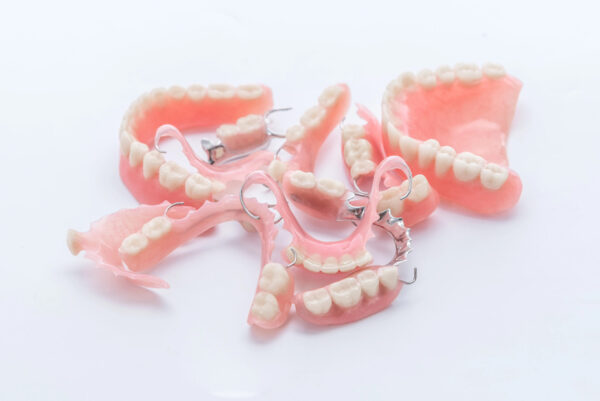

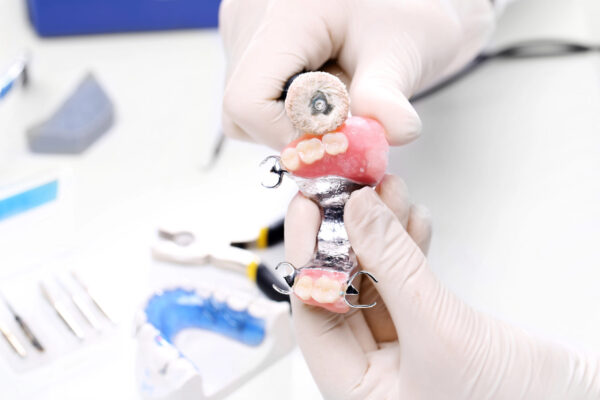
While this guide focuses on nursing home and homebound patients, the general process is similar for patients seen in our office.
Dentures are designed to restore comfort and function—but even well-made dentures may occasionally need adjustments. For nursing home residents, small changes in oral tissues or daily habits can lead to sore spots, pressure, or looseness that affect eating and comfort.
A denture adjustment is often a simple, effective way to relieve discomfort and improve fit—without replacing or relining the denture.
What Is a Denture Adjustment?
A denture adjustment involves making minor refinements to an existing denture to reduce pressure, improve comfort, or enhance stability. Adjustments typically focus on smoothing or reshaping specific areas of the denture rather than changing its overall structure.
Adjustments are commonly recommended when:
- A resident reports sore spots or irritation
- Dentures feel uncomfortable during eating
- The denture rubs against sensitive areas
- The denture has recently been delivered or relined
Why Adjustments Are Common in Nursing Home Residents
As oral tissues change over time, areas that once felt comfortable may begin to feel tender. In elderly patients, tissues can be thinner and more sensitive, making them more prone to irritation from even small pressure points.
Additionally, residents may:
- Wear dentures for longer periods
- Have dry mouth due to medications
- Experience changes after illness or hospitalization
These factors can make periodic adjustments an expected—and appropriate—part of denture care.
What Happens During a Denture Adjustment Appointment?
Step 1: Evaluation of Comfort and Fit
During the visit, we assess:
- Areas of soreness or irritation
- How the denture sits during rest and function
- Stability during speaking and eating
Caregiver observations are often helpful, especially for residents who have difficulty communicating discomfort.
Step 2: Targeted Refinements
Specific areas of the denture are carefully adjusted to relieve pressure. These changes are conservative and focused—aimed at improving comfort while maintaining function.
In many cases, relief is felt immediately or within a short period after the adjustment.
Step 3: Follow-Up as Needed
Some adjustments require follow-up visits to ensure comfort is maintained as tissues respond. This is especially true for newly delivered dentures or recent relines.
How Denture Adjustments Differ From Relines or Replacement
It’s helpful to understand how adjustments fit into the broader denture care process:
- Adjustments address localized pressure or discomfort
- Relines improve overall fit when dentures are loose
- Replacement is recommended when dentures no longer meet functional needs
Learn more about relines: Denture Reline: What Nursing Home Residents and Caregivers Can Expect
Learn more about replacement: Denture Replacement: What Nursing Home Residents and Caregivers Can Expect
Why Prompt Adjustments Matter
Delaying adjustment of a sore area can lead to:
- Worsening tissue irritation
- Reduced willingness to wear dentures
- Avoidance of eating
- Increased frustration or withdrawal
Early adjustment helps prevent small issues from becoming larger problems.
Can Adjustments Be Done in a Nursing Home?
In many cases, yes. Mobile denture services allow adjustments to be completed on site, reducing stress and disruption for residents and caregivers.
Learn more about on-site care: Mobile Denture Services for Nursing Homes & Homebound Patients
When Should a Referral Be Made for Adjustment?
A denture adjustment referral may be appropriate when:
- A resident complains of sore spots
- Dentures are removed frequently due to discomfort
- Caregivers notice changes in eating or behavior
- A new denture or reline was recently completed
Referrals allow for evaluation and guidance—even if only a minor adjustment is needed.
How to Request a Denture Adjustment Evaluation
Caregivers, nursing home staff, social workers, and family members may submit a secure referral for denture evaluation and adjustment.
Refer a Nursing Home Resident for Denture Care
On-site evaluations available – no transport required.
Denture adjustments are a normal and important part of maintaining comfort. Addressing small concerns early helps ensure dentures continue to support eating, communication, and quality of life.