
While this guide focuses on nursing home and homebound patients, the general process is similar for patients seen in our office.
Over time, dentures that once fit comfortably may begin to feel loose or unstable. For nursing home residents, this can affect eating, speaking, and overall comfort. When this happens, a denture reline may be recommended.
A denture reline is a common and effective way to improve denture fit—often without needing to replace the entire denture. Understanding what a reline involves can help caregivers and families feel more confident about the process.
What Is a Denture Reline?
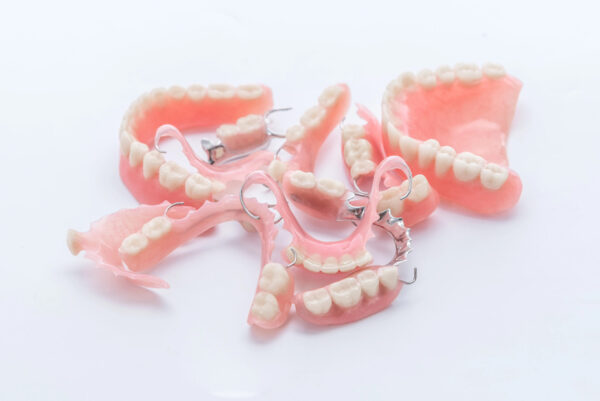
A denture reline involves reshaping the tissue-side surface of an existing denture so it fits the gums more closely. As the mouth changes over time, the denture may no longer sit securely. A reline helps restore contact between the denture and the oral tissues.
Relines are typically recommended when:
- Dentures feel loose but are otherwise in good condition
- The bite and appearance are acceptable
- Oral tissues have changed due to aging, weight loss, or medical factors
Why Denture Relines Are Common in Nursing Home Residents
As we age, the jawbone and soft tissues gradually change—even years after teeth are lost. In nursing home residents, additional factors may contribute to poor denture fit, including:
- Weight fluctuations
- Medication-related dry mouth
- Medical conditions affecting tissue health
Because these changes occur gradually, residents may not notice looseness right away. Instead, caregivers may observe changes in eating or comfort.
Learn more about how fit changes over time: Why Ill-Fitting Dentures Are a Serious Health Risk for Seniors
What Happens During a Denture Reline?
The reline process typically begins with an evaluation to determine whether a reline is appropriate or if other treatment is needed.
Step 1: Evaluation
During this visit, we assess:
- Denture stability and retention
- Oral tissue health
- Bite and jaw position
- Areas of irritation or soreness
If the denture is suitable for a reline, the process moves forward.
Step 2: Impression Inside the Denture
An impression material is placed inside the existing denture to capture the current shape of the gums. This helps create a closer, more supportive fit.
In many cases:
- The resident keeps their denture during the process
- A soft liner may be recommended to improve comfort temporarily
Step 3: Lab Processing and Fit Refinement
The impression is sent to the lab, where the tissue surface of the denture is refined. Once returned:
- The denture is checked for comfort and stability
- Adjustments are made as needed
The goal is a secure fit that supports eating and speaking comfortably.
Soft Relines vs. Hard Relines
In some situations, a soft reline may be recommended, particularly for residents with fragile tissues or sensitivity. Soft liners provide a cushioning effect and may be used:
- Temporarily during healing
- As an interim solution while other treatment is planned
Hard relines offer a more durable solution and are typically used when tissues are healthy and stable.
How Long Does a Denture Reline Take?
The timeline depends on the type of reline and the resident’s needs. Some relines can be completed quickly, while others involve short lab turnaround times. Throughout the process, the goal is to minimize disruption and maintain comfort.
When Is a Reline Not Enough?
A reline may not be appropriate if:
- The denture is cracked or worn
- The bite relationship is incorrect
- The denture no longer meets functional needs
In these cases, denture replacement may be recommended instead.
Learn more about replacement: Denture Replacement: What Nursing Home Residents and Caregivers Can Expect
The Role of Mobile Denture Care
Mobile denture services allow relines to be evaluated and coordinated on site, reducing the need for transportation. This approach is especially beneficial for nursing home residents with limited mobility or cognitive impairment.

Learn how mobile denture care supports nursing home residents
Supporting Comfort and Stability
A denture reline can make a meaningful difference in a resident’s daily comfort—often without the need for a full remake. Thoughtful evaluation helps determine the most appropriate option for each individual.
How to Request a Denture Evaluation
Caregivers, nursing home staff, social workers, and family members may submit a secure referral for denture evaluation and reline services.
Submit a Nursing Home Denture Referral
As oral tissues change, dentures should adapt too. A denture reline is a simple but effective way to help dentures continue supporting comfort, nutrition, and quality of life.
About the Author