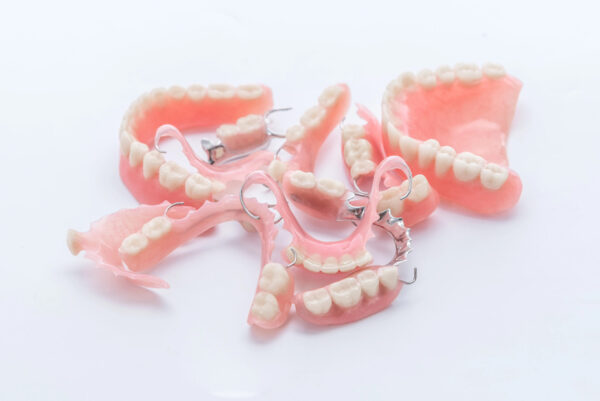

For many families and caregivers, the idea of dental care happening inside a nursing home is unfamiliar. Dental visits are often associated with traditional offices, transportation, and long appointments—things that can be difficult or unrealistic for elderly or medically complex patients.
So it’s a common question: Can a dentist come to a nursing home?
In many cases, the answer is yes.
Why Traditional Dental Visits Are Challenging for Nursing Home Residents
Nursing home residents often face barriers that make leaving the facility difficult, including:
- Limited mobility or wheelchair dependence
- Medical conditions that complicate transport
- Cognitive impairment or dementia
- Anxiety related to unfamiliar environments
Because of these challenges, dental concerns—especially denture issues—may be delayed or overlooked, even when they affect daily comfort and nutrition.
What Is Mobile Dental Care?
Mobile dental care allows dental services to be provided on site, within nursing homes, assisted living facilities, or private residences. Instead of transporting residents to a dental office, care is delivered in a familiar environment—often right in the resident’s room.
Mobile care is particularly well-suited for denture evaluations and prosthodontic services, which can often be completed without the need for a traditional operatory.
Learn more about mobile denture evaluations for nursing home residents
What Types of Dental Care Can Be Provided in a Nursing Home?
While not all dental procedures are appropriate for on-site care, many denture-related services can be completed in a nursing home setting, including:
- Denture evaluations
- Adjustments for sore spots or looseness
- Relines to improve fit
- Replacement of lost or broken dentures
- Follow-up assessments
These services focus on comfort, function, and quality of life—priorities that are especially important for elderly patients.
Who Provides Mobile Denture Care?
Mobile denture services may be provided by dental professionals with training in removable prosthetics and care for medically complex patients. A prosthodontist is a dental specialist with advanced training in dentures and restorative care, making them particularly well-suited for nursing home populations.
Specialty training helps ensure:
- Gentle evaluation of fragile oral tissues
- Appropriate denture design for aging anatomy
- Clear communication with caregivers and families
How Is Care Coordinated?
Mobile dental care is typically coordinated in collaboration with:
- Nursing home staff
- Social workers or case managers
- Family members or legal decision-makers
This ensures that care aligns with the resident’s medical status, comfort, and goals. For a step-by-step overview check out: Mobile Denture Services for Nursing Homes: How It Works
Do Residents Need to Leave the Facility?
In many cases, no. One of the primary benefits of mobile denture care is that residents can remain in their familiar environment. This reduces stress, improves cooperation, and allows caregivers to remain involved throughout the process.
When Should Caregivers Consider Mobile Dental Care?
Mobile dental care may be appropriate when a resident:
- Has difficulty leaving the facility
- Has lost or broken dentures
- Complains of denture discomfort
- Is unable to eat comfortably
- Has not had dentures evaluated in over a year
Supporting Residents With Thoughtful, Accessible Care
Dental care does not have to be disruptive to be effective. When care is delivered where residents live, it can support comfort, dignity, and continuity—especially for those with complex needs.
How to Request a Mobile Denture Evaluation
Caregivers, nursing home staff, social workers, and family members can submit a secure referral for on-site denture care.
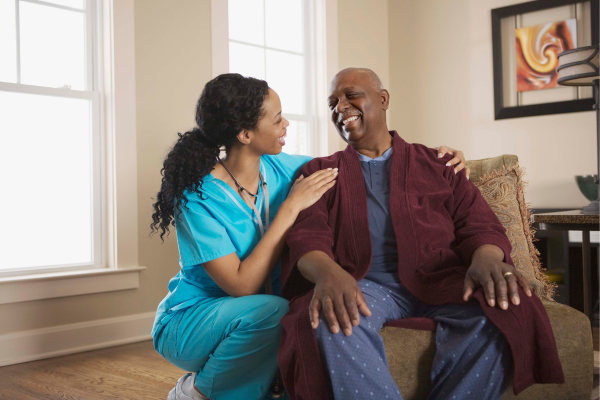
Caring for a nursing home resident with denture concerns?
Yes—a dentist can come to a nursing home. For many residents, mobile denture care provides a practical, compassionate solution that supports daily comfort and quality of life.