
Losing a tooth or multiple teeth can be a challenging experience, impacting both your oral health and your self-esteem. Fortunately, modern dentistry offers effective solutions to restore your smile and functionality. Two popular options are dental bridges and partial dentures. Choosing the right one for your needs can be daunting, but understanding their differences, pros, cons, and indications can help you make an informed decision. At our prosthodontics practice, we prioritize your comfort and well-being, ensuring you receive the best possible care. Let’s explore dental bridges and partial dentures to help you determine the best fit for your smile.
What is a Dental Bridge?
A dental bridge is a fixed dental restoration used to replace one or more missing teeth by literally bridging the gap between two remaining teeth. It consists of one or more artificial teeth (pontics) anchored in place by dental crowns on adjacent teeth or dental implants.
Types of Dental Bridges:
- Traditional Bridges: Involve creating a crown for the tooth or implant on either side of the missing tooth, with a pontic in between.
- Cantilever Bridge: Used when there are adjacent teeth on only one side of the missing tooth or teeth.
- Maryland Bonded Bridges: Use a metal or porcelain framework bonded to the back of the adjacent teeth, requiring less alteration to the surrounding teeth.
What is a Partial Denture?
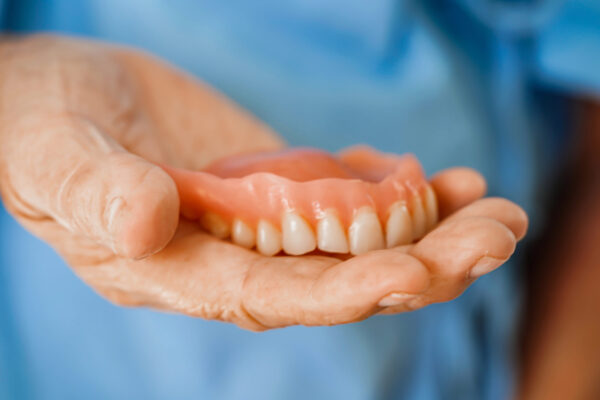
A partial denture is a removable appliance that replaces one or more missing teeth. It consists of replacement teeth attached to a gum-colored plastic base, which is sometimes connected by a metal framework that helps hold the denture in place.
Types of Partial Dentures:
- Cast Metal Partial Dentures: Strong and durable, these have a metal framework and are typically more stable.
- Acrylic Partial Dentures: Made from acrylic material, these are often used as temporary solutions.
- Flexible Partial Dentures: Made from a flexible plastic material, these are more comfortable and aesthetically pleasing.
Differences Between Dental Bridges and Partial Dentures
1. Permanence:
- Dental Bridges: Fixed and non-removable, offering a permanent solution.
- Partial Dentures: Removable, allowing for easy cleaning and maintenance.
2. Support:
- Dental Bridges: Anchored to adjacent teeth or dental implants.
- Partial Dentures: Supported by the gums and remaining natural teeth, often using clasps.
3. Aesthetics:
- Dental Bridges: Blend seamlessly with natural teeth, providing a natural appearance.
- Partial Dentures: While designed to look natural, the metal clasps may be visible.
4. Comfort:
- Dental Bridges: Generally more comfortable once the patient adjusts, as they are fixed in place.
- Partial Dentures: May cause initial discomfort and require an adjustment period.
5. Maintenance:
- Dental Bridges: Require regular dental hygiene, similar to natural teeth.
- Partial Dentures: Need to be removed and cleaned daily.
Pros and Cons of Dental Bridges
Pros:
- Natural Look and Feel: Blends well with natural teeth, providing a seamless appearance.
- Permanent Solution: Once placed, dental bridges are fixed and do not need to be removed.
- Functional Restoration: Effectively restores chewing and speaking functions.
Cons:
- Tooth Alteration: Requires modification of adjacent teeth, which can compromise their integrity.
- Potential for Decay: If not properly maintained, the teeth supporting the bridge can become decayed.
- Cost: Typically more expensive than partial dentures, especially if implants are involved.
Pros and Cons of Partial Dentures
Pros:
- Less Invasive: Does not require alteration of adjacent teeth.
- Cost-Effective: Generally less expensive than dental bridges.
- Easy to Adjust: Can be easily modified if additional teeth are lost.
Cons:
- Removability: Needs to be removed and cleaned regularly, which some patients may find inconvenient.
- Stability: May move or shift, causing discomfort and affecting speech and eating.
- Visible Clasps: Metal clasps can be visible, affecting aesthetics.
Indications for Each Treatment Option
Dental Bridges:
- Single or Multiple Missing Teeth: Ideal for patients missing one or a few teeth in a row.
- Strong Adjacent Teeth: Best suited for patients with healthy, strong adjacent teeth or those opting for implant-supported bridges.
- Desire for a Permanent Solution: Suitable for those who prefer a fixed, non-removable option.
Partial Dentures:
- Multiple Missing Teeth in Different Areas: Ideal for patients missing teeth in various locations.
- Weaker Adjacent Teeth: Suitable for patients whose adjacent teeth are not strong enough to support a bridge.
- Cost Consideration: A more affordable option for tooth replacement.
Making the Best Decision for Your Smile
Choosing between a dental bridge and a partial denture depends on various factors, including your oral health, lifestyle, and personal preferences. Here are some steps to help you make the best decision:
- Consultation with Your Prosthodontist:
- Schedule a consultation with your prosthodontist to discuss your specific needs and concerns. They will conduct a thorough examination and provide personalized recommendations.
- Evaluate Your Oral Health:
- Consider the condition of your remaining teeth and gums. Healthy adjacent teeth are crucial for supporting a dental bridge, while partial dentures can be an alternative if your adjacent teeth are compromised.
- Consider Your Lifestyle:
- Think about your daily routine and how a fixed or removable solution will fit into your lifestyle. If you prefer a permanent solution that doesn’t require removal, a dental bridge might be the better option.
- Budget:
- Evaluate your budget and consider the long-term costs associated with each option. While partial dentures may be more affordable initially, dental bridges can offer a more durable, long-term solution.
- Aesthetic Preferences:
- Reflect on your aesthetic preferences. If the visibility of metal clasps on partial dentures is a concern, a dental bridge may provide a more seamless and natural look.
At our clinic, we are dedicated to helping you achieve a healthy, beautiful smile. Our team is here to guide you through the decision-making process, ensuring you feel informed and confident in your choice. Your comfort and well-being are our top priorities, and we are committed to providing you with the highest level of care.
Conclusion
Both dental bridges and partial dentures offer effective solutions for replacing missing teeth, each with its own set of benefits and considerations. By understanding the differences, pros and cons, and indications for each option, you can make an informed decision that best suits your needs. Remember, the best choice for your smile is the one that aligns with your oral health, lifestyle, and aesthetic preferences. Trust in the expertise and compassionate care of [Your Clinic Name] to guide you on your journey to a restored, confident smile.