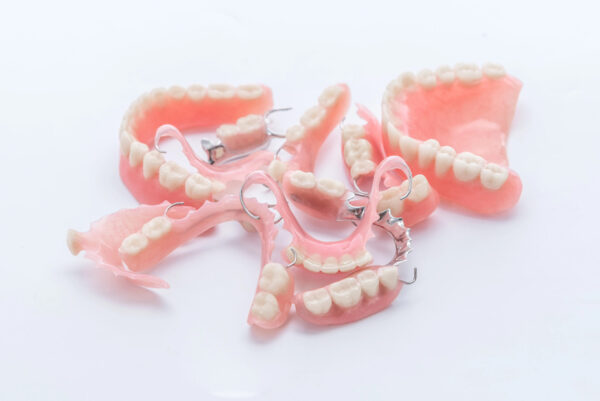

Losing dentures can be distressing for anyone—but for a nursing home resident, it can quickly become a medical and quality-of-life concern. Unfortunately, denture loss is very common in long-term care and memory care settings. Between frequent room changes, hospital transfers, cognitive decline, and daily care routines, dentures are easily misplaced or accidentally discarded.
When this happens, families and nursing home staff are often left asking the same questions:
What do we do now? How fast can this be fixed? Does the resident need to leave the facility?
The good news is that there are solutions, and in many cases, care can be provided right at the nursing home.
Why Lost Dentures Are a Bigger Issue Than They Appear
Dentures are not cosmetic devices for seniors—they are essential medical prostheses. When a resident is suddenly without their dentures, the impact can be immediate:
- Difficulty chewing and swallowing
- Reduced nutritional intake
- Changes in speech and communication
- Oral soreness or tissue irritation
- Increased frustration, anxiety, or withdrawal
For residents with dementia or memory impairment, the absence of dentures can be especially confusing and distressing.
First Steps When Dentures Are Missing
If a nursing home resident’s dentures are lost, here are the most important next steps:
1. Check Common Locations
Dentures are often wrapped in tissues, placed on meal trays, or stored in bedside drawers. Before assuming they are permanently lost, do a thorough check.
2. Notify Family or POA
Families should be informed early so decisions about evaluation and replacement can be made quickly.
3. Avoid “Temporary Fixes”
Using adhesives on ill-fitting backup dentures or encouraging eating without dentures can increase the risk of sores, aspiration, or poor nutrition.
4. Refer for Evaluation
A professional evaluation is the safest way to determine whether dentures can be replaced, repaired, or duplicated.
Can Dentures Be Replaced Without Leaving the Nursing Home?
Yes—mobile denture care makes it possible for many residents to receive evaluation and treatment on site, without transportation to a dental office.
A mobile prosthodontic visit allows for:
- Bedside or in-room evaluations
- Digital scanning or impressions
- Assessment of oral tissues and fit
- Coordination directly with caregivers and family
For residents with limited mobility or complex medical needs, this approach reduces stress while ensuring proper care.
Why Denture Replacement Is Different for Elderly Patients
Replacing dentures for seniors—especially those who are medically complex or have been edentulous for many years—requires specialized training. Oral anatomy changes with age, bone levels shift, and soft tissues become more delicate.
That’s why evaluation by a prosthodontist, a dental specialist trained in denture design and function, is often beneficial in nursing home settings. The goal is not just to replace what was lost—but to restore comfort, function, and dignity.
How Long Does Denture Replacement Take?
Timelines vary depending on:
- Whether previous denture records exist
- The condition of the oral tissues
- The type of denture needed
In some cases, replacement dentures can be completed relatively quickly. In others, a staged approach may be recommended to protect tissue health and ensure long-term success.
Supporting Residents with Compassion and Care
For nursing home staff and caregivers, denture loss can feel overwhelming—but residents do not have to navigate this alone. With the right referral pathway, care can be coordinated efficiently and delivered with respect for the resident’s comfort and routine.
If you care for someone who has lost their dentures, early evaluation can prevent complications and restore quality of life sooner.

Learn how mobile denture care supports nursing home residents
Referring a Nursing Home Resident for Denture Care
If you are a nursing home staff member, social worker, or caregiver, you can submit a denture referral directly through our secure referral form. The process is designed to be quick, straightforward, and supportive of both staff and families.
About the Author